Transglutaminase
Protein-Binding Enzyme for Meat and Dairy
Transglutaminase (TG) is a food enzyme that forms cross-links between glutamine and lysine residues in proteins; it is used to bind meat pieces, improve slice strength and water holding in sausages and meat products, raise gel strength in surimi and fish products, improve texture in yoghurt and cheese, and bind plant-based meat alternatives. Commercial preparations are usually standardised with maltodextrin or protein carriers. PERDIST compares enzyme activity (U/g), carrier composition, application grade (meat, dairy, plant-based), microbiological and allergen statements against the supplier specification for wholesale transglutaminase requests and offers the preparation suited to your application with its documents. For wholesale transglutaminase PERDIST proposes a lot with its activity value, application and recommended usage range; a sample and the technical sheet accompany the quotation. For meat, fish and dairy producers a cold-chain delivery plan is arranged. Packaging and storage conditions are planned together so enzyme activity is preserved.
Product and Application Details
| Product definition | Transglutaminase enzyme preparation produced by microbial fermentation (Streptomyces mobaraensis); powder standardised with carrier (maltodextrin, protein, salt). |
|---|---|
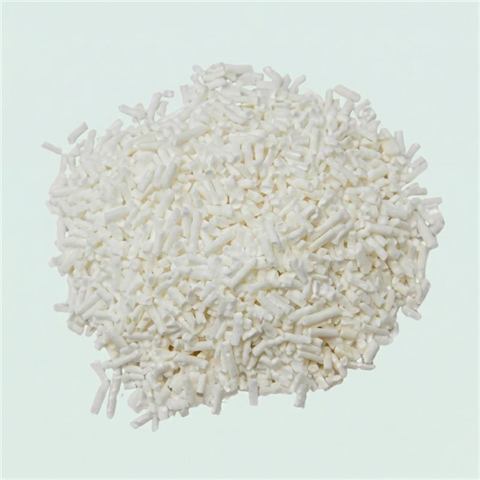
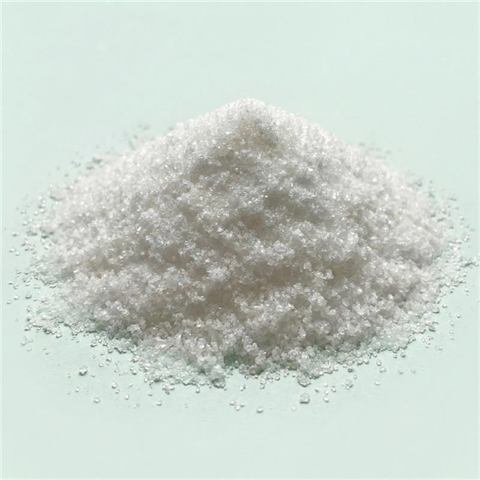
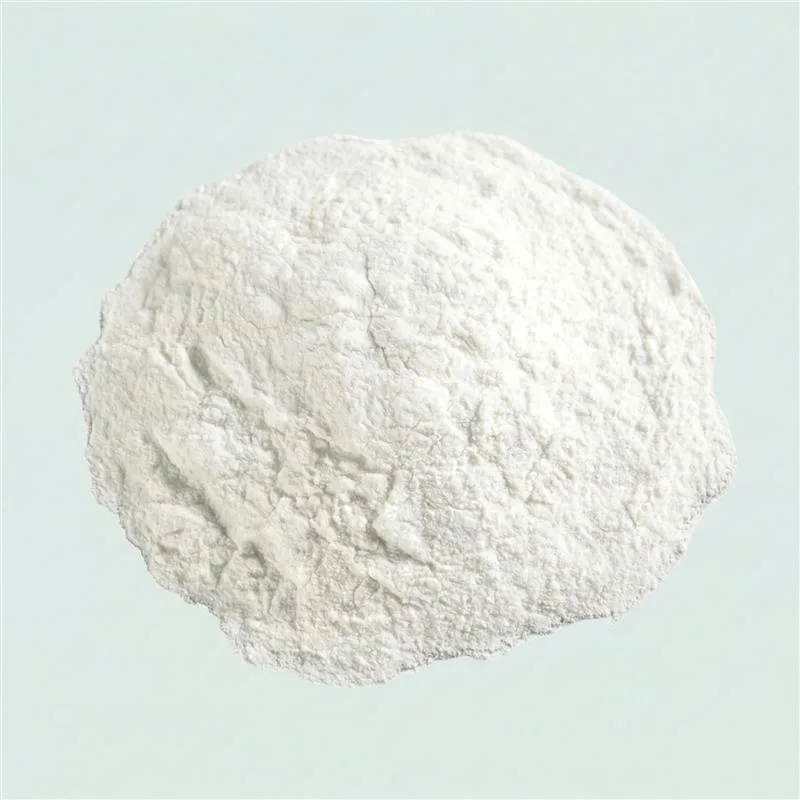
| Typical properties | Activity 80–120 U/g (standardised), moisture ≤ 8%, light cream colour, optimum pH 5–8, optimum temperature 40–55 °C, inactivated above 70 °C. Values vary by preparation. |
| Applications | Restructured meat and binding of meat pieces, sausages, cold cuts and ham, surimi and fish products, yoghurt and cheese texture, plant-based burgers and meat alternatives, noodles and pasta. |
| Formulation note | Typical usage 0.3–1% in meat products (depending on activity and reaction time); add as a dry mix or solution for even distribution and allow 2–24 hours reaction at 0–5 °C. Check local labelling regulations. |
| Documents | Specification, COA, activity analysis, allergen statement (per carrier), non-GMO statement and origin document are shared with the quotation to the extent the supplier provides them; halal certification is checked per product. |
| Shelf life and storage | Typically 12 months in unopened packaging (≤10 °C) or 6 months at room temperature; dry, cool storage limits activity loss. |
| Packaging | Typically 25 kg kraft bags or cartons with PE inner liner; pallets of 500–1000 kg. 1–5 kg packs considered on request. |
| Minimum order | Usually 100–500 kg; smaller quantities are stated in the quotation depending on product and supplier. |
| Shipping | Road and sea freight; transported and stored on pallets in closed packaging in a dry, cool, odour-free place. |
| Origin | Common origins: Japan, China. Documented per lot in the quotation. |
Tell us the application and monthly quantity; we reply with current pricing, minimum order and lead time within one business day.
About Transglutaminase
These answers come from the ingredient guide for this product. Read the full guide: What Is Transglutaminase? How the Meat-Binding Enzyme Works and Wholesale Sourcing Guide