Ascorbic Acid
Vitamin C, Antioxidant and Flour Improver
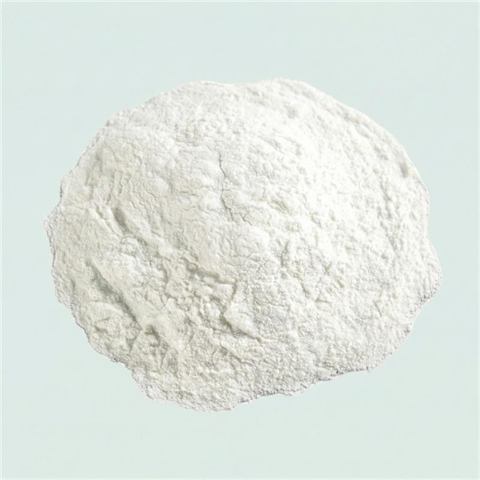
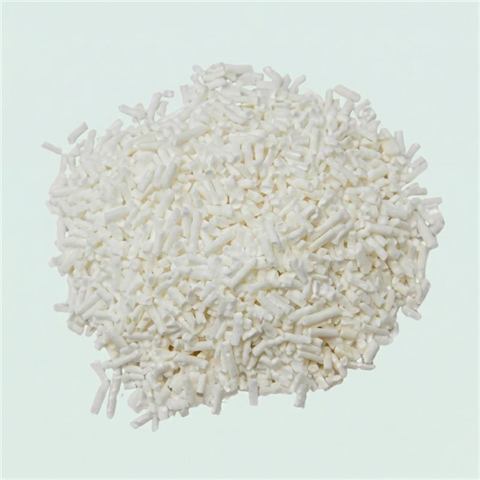
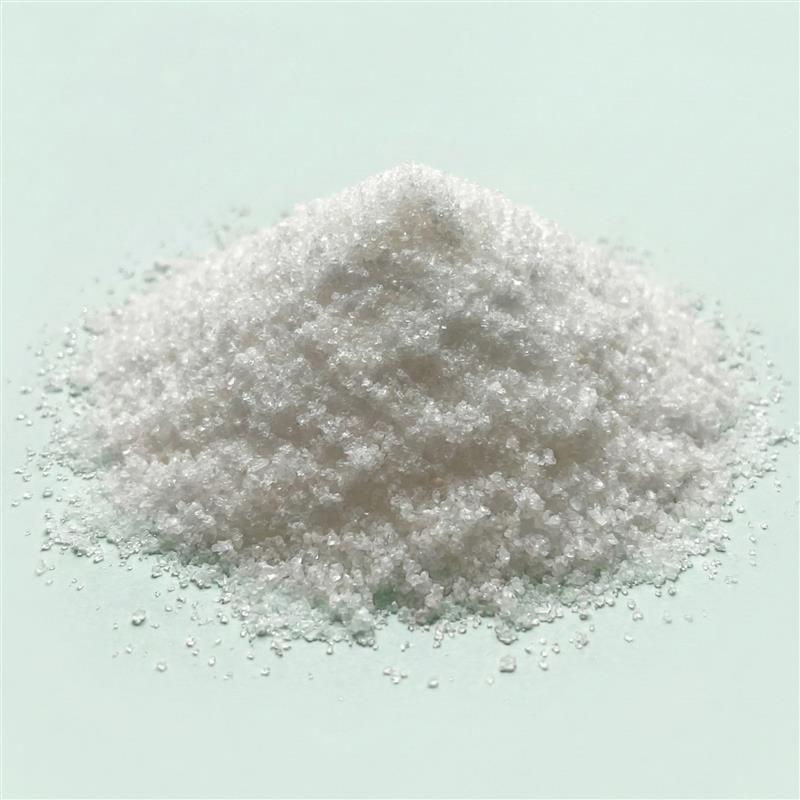
Ascorbic acid (E300, vitamin C) is a water-soluble vitamin used in foods as an antioxidant, colour protector, flour improver and nutrient fortifier. It prevents oxidation and colour loss in juices and beverages, strengthens dough structure in bakery, accelerates the curing reaction with nitrite in meat products and serves as a vitamin C source in supplements and functional foods. PERDIST compares purity (≥ 99%), particle size (fine powder or granular), coating, heavy metal analyses and pharmacopoeia/food-grade documents against the supplier specification for wholesale ascorbic acid requests and offers the grade suited to your application with its documents. For wholesale ascorbic acid PERDIST proposes a lot from your choice of crystals or powder, the purity and the application; the analysis document and a sample accompany the quotation. For bakery, beverage and meat producers, packaging and delivery frequency are planned. Shipment conditions that protect it from light and moisture are assessed together.
Product and Application Details
| Product definition | L-ascorbic acid (C₆H₈O₆, E300), food and pharmacopoeia grade; fine powder, granular or coated forms. |
|---|---|
| Typical properties | Purity 99–100.5%, moisture ≤ 0.4%, white to slightly yellowish crystalline powder, water solubility about 33 g/100 ml, heavy metals ≤ 10 mg/kg, pH (5% solution) 2.1–2.6. Values vary by supplier specification. |
| Applications | Juices, nectars and beverages, bread and bakery (flour improver), cured meat products, frozen fruit and vegetables, dietary supplements, fortification of breakfast cereals and dairy. |
| Formulation note | Sensitive to heat, light and metal ions; overdose to compensate for processing losses. Typical use 20–100 ppm as flour improver, 100–500 mg/l in beverages, 300–500 mg/kg in meat products (per regulation). |
| Documents | Specification, COA, pharmacopoeia/food-grade conformity statement, heavy metal analysis, allergen and non-GMO statements and origin document are shared with the quotation to the extent the supplier provides them; halal and kosher certificates are checked per product. |
| Shelf life and storage | Typically 24–36 months in unopened packaging; store dry, cool, sealed and away from light. |
| Packaging | Typically 25 kg kraft bags or cartons with PE inner liner; pallets of 500–1000 kg. 1–5 kg packs considered on request. |
| Minimum order | Usually 100–500 kg; smaller quantities are stated in the quotation depending on product and supplier. |
| Shipping | Road and sea freight; transported and stored on pallets in closed packaging in a dry, cool, odour-free place. |
| Origin | Common origins: China, European Union. Documented per lot in the quotation. |
Tell us the application and monthly quantity; we reply with current pricing, minimum order and lead time within one business day.
About Ascorbic Acid
These answers come from the ingredient guide for this product. Read the full guide: What Is Ascorbic Acid (E300)? Vitamin C, Flour Improver and Antioxidant Use, Wholesale Sourcing