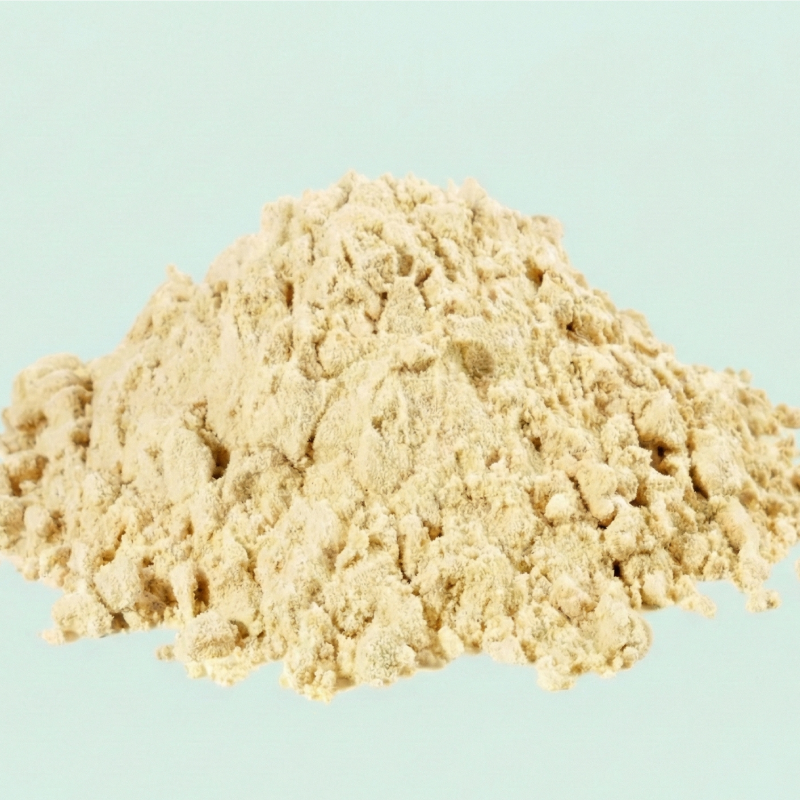
Pea Protein
80% Pea Protein Isolate for Meat Alternatives and Beverages
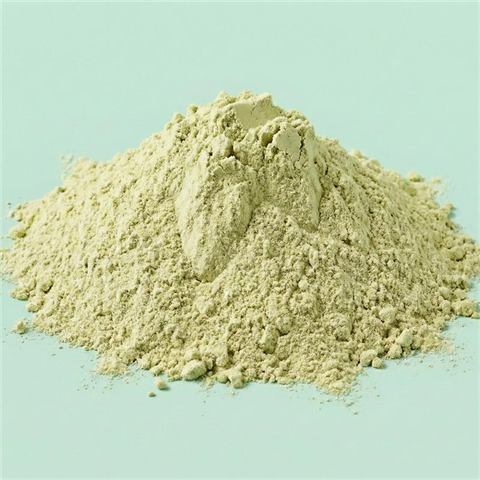
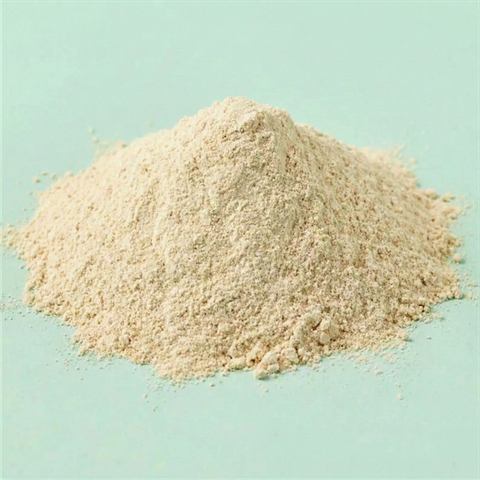
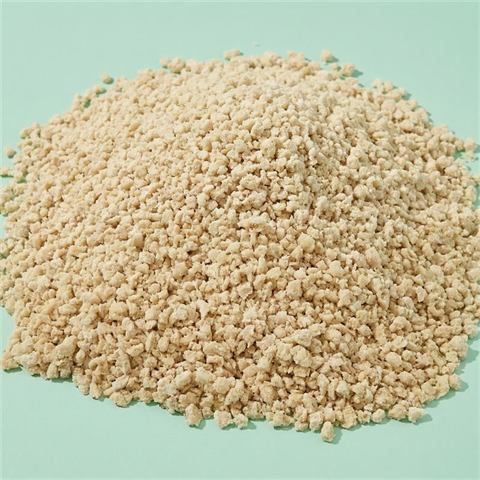
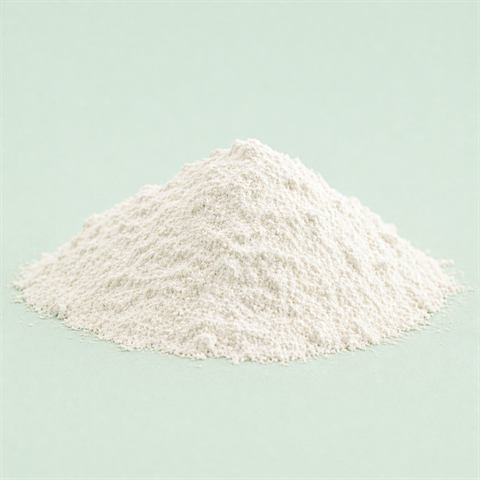
Pea protein is a plant protein isolate with a typical protein content of 80% and above, obtained from yellow peas (Pisum sativum) by wet extraction and isoelectric precipitation. As an alternative to soy and gluten, with good emulsifying and gelling properties, it is one of the most widely used plant proteins in meat alternatives, plant-based milks and beverages, protein bars, sports nutrition and bakery formulations. PERDIST compares protein content, solubility, flavour profile, particle size, sodium and microbiological values against the supplier specification for wholesale pea protein requests and offers beverage and meat-alternative grades with their documents. For wholesale pea protein PERDIST proposes a lot from your choice of isolate or concentrate, the protein content and the functional expectation; a sample and the technical sheet accompany the quotation. For plant-based meat and beverage producers, packaging and delivery follow the production calendar. Samples and technical support are provided for formulation trials.
Product and Application Details
| Product definition | Pea protein isolate produced from yellow peas (Pisum sativum) by wet extraction; non-GMO, soy- and gluten-free. |
|---|---|
| Typical properties | Protein ≥ 80% (N×6.25, dry basis), moisture ≤ 8%, fat ≤ 8%, ash ≤ 6%, cream to light yellow colour, 100–200 mesh. Values vary by supplier specification. |
| Applications | Meat and dairy alternatives, plant-based beverage and protein shake powders, protein bars, sports nutrition, bakery and pasta, enrichment of instant soups and sauces. |
| Formulation note | Beverage grades are optimised for high solubility and low flavour, meat-alternative grades for gelling and water/fat binding; choose the grade by application. Typical usage 2–20%. |
| Documents | Specification, COA, allergen and GMO statements and origin document are shared with the quotation to the extent the supplier provides them; halal, kosher and organic certificates are checked per product. |
| Shelf life and storage | Typically 24 months in unopened packaging; store dry, cool and odour-free. |
| Packaging | Typically 20–25 kg kraft bags with PE inner liner; pallets of 500–1000 kg. Big bags considered on request. |
| Minimum order | Usually one pallet (500 kg). Smaller quantities for trial production are stated in the quotation depending on product and supplier. |
| Shipping | Road and sea freight; transported and stored on pallets in closed packaging in a dry, cool (≤25 °C), odour-free place. |
| Origin | Common origins: China, Canada, France. Documented per lot in the quotation. |
Tell us the application and monthly quantity; we reply with current pricing, minimum order and lead time within one business day.
About Pea Protein
These answers come from the ingredient guide for this product. Read the full guide: What Is Pea Protein? Isolate vs Concentrate, Use in Meat Alternatives and Wholesale Sourcing