Citrus Fiber
Clean-Label Fibre that Binds Water and Fat
Citrus fibre is a functional fibre obtained from the peel and pulp left after juicing citrus fruits such as orange and lemon; its natural pectin and cellulose give high water- and fat-binding capacity. It is considered as a replacement for emulsifiers, stabilisers and some hydrocolloids in clean-label formulations and is used in meat products, bakery, sauces and dressings, dairy, ice cream, juices and beverages. PERDIST compares dietary fibre content, water-holding and oil-binding capacity, particle size, colour and microbiological values against the supplier specification for wholesale citrus fibre requests and offers activated and standard grades with their documents. For wholesale citrus fiber the water and oil binding expectations, the activation method and the application are taken before the quotation, and a sample with the technical sheet is shared. For sauce, filling and meat producers, packaging and delivery frequency are planned. Trial support is provided for clean-label recipes.
Product and Application Details
| Product definition | Functional citrus fibre obtained from citrus peel and pulp (Citrus spp.) by mechanical and thermal processing; standard or high water-holding (activated) grades. |
|---|---|
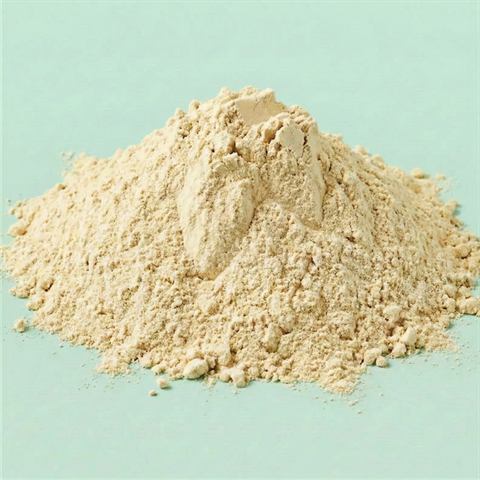
| Typical properties | Total dietary fibre ≥ 75–85%, water-holding capacity 1:8–1:15, oil binding 1:3–1:5, moisture ≤ 10%, light cream-yellow colour, 100–250 mesh. Values vary by supplier specification. |
| Applications | Sausages and meatballs, plant-based meat alternatives, bread and cakes, mayonnaise and dressings, ketchup and sauces, ice cream and dairy desserts, juices and smoothies, instant soups. |
| Formulation note | Activation under high shear (homogenisation) is recommended for full water binding; at 0.5–2% it provides viscosity and stability. Consider the slight citrus note in delicately flavoured products. |
| Documents | Specification, COA, allergen and non-GMO statements and origin document are shared with the quotation to the extent the supplier provides them; halal, kosher and organic certificates are checked per product. |
| Shelf life and storage | Typically 24 months in unopened packaging; store dry, cool and odour-free. |
| Packaging | Typically 25 kg kraft bags with PE inner liner; pallets of 1000 kg. Big bags (500–1000 kg) considered on request. |
| Minimum order | Usually one pallet (1000 kg). Smaller quantities for trial production are stated in the quotation depending on product and supplier. |
| Shipping | Road and sea freight; transported and stored on pallets in closed packaging in a dry, cool, odour-free place. |
| Origin | Common origins: Brazil, Spain, China. Documented per lot in the quotation. |
Tell us the application and monthly quantity; we reply with current pricing, minimum order and lead time within one business day.
About Citrus Fiber
These answers come from the ingredient guide for this product. Read the full guide: What Is Citrus Fiber? Use as a Clean-Label Stabiliser and Wholesale Sourcing Guide